
An ultra-wide lens is not something I often reach for. They can be useful as interior architecture lenses, for capturing dramatic vistas, and even for the occasional shot on the street, however, I usually find the propensity of the lenses to capture so much in the frame a tricky proposition.
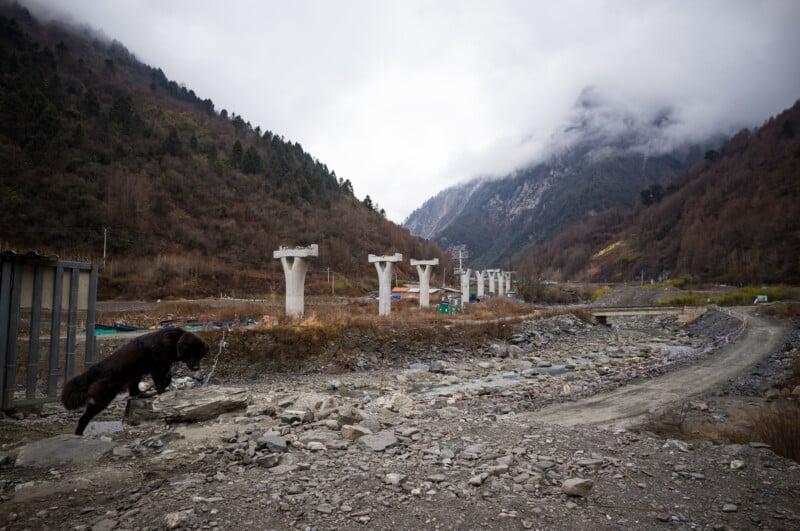
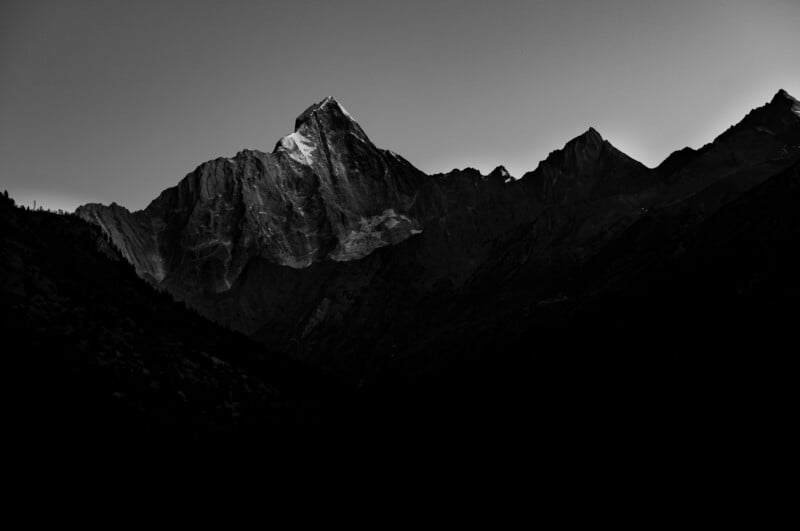
I often have to be very close to my subject, or I need to be in front of majestic open spaces. It turned out to be perfect timing that I had trips planned to both the mountains of China and the deserts of New Mexico.
Thypoch Ksana 21mm f/3.5: How It Feels
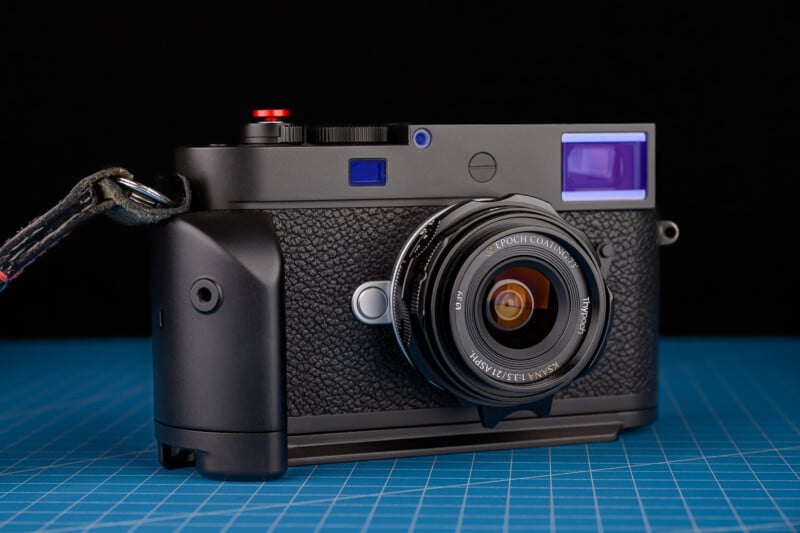
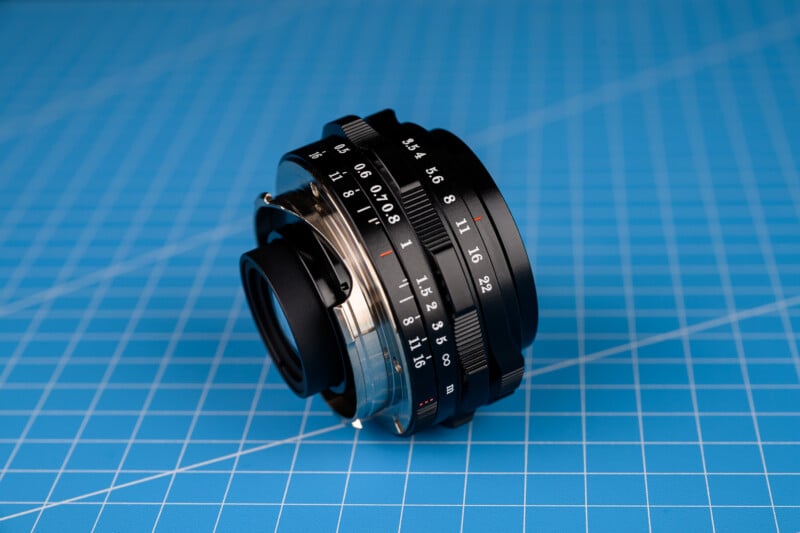
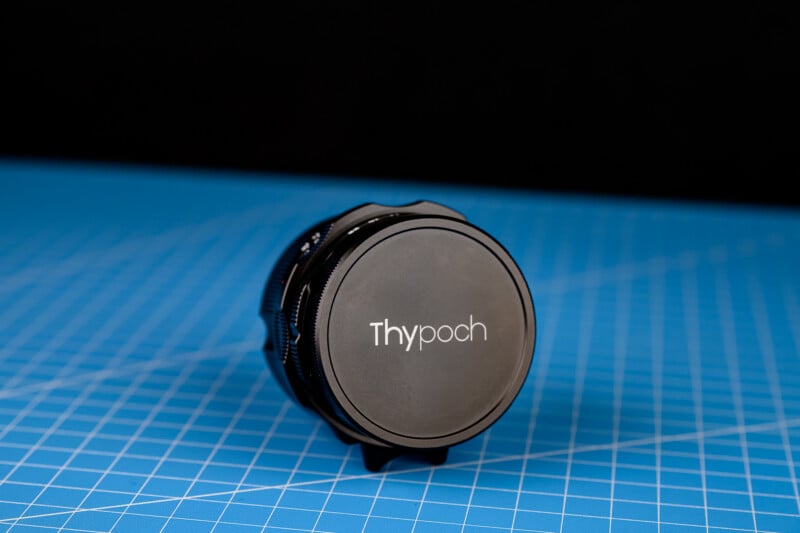
I also had access to an awesome travel companion in the form of the Thypoch Ksana 21mm f/3.5. Mounted for Leica M cameras. The Ksana 21mm proved to be incredibly small at only 4.6 ounces (131 grams), and barely extended more than an inch away from the Leica M11 I tested it on. This was not a bulky ultra-wide optic to carry around.
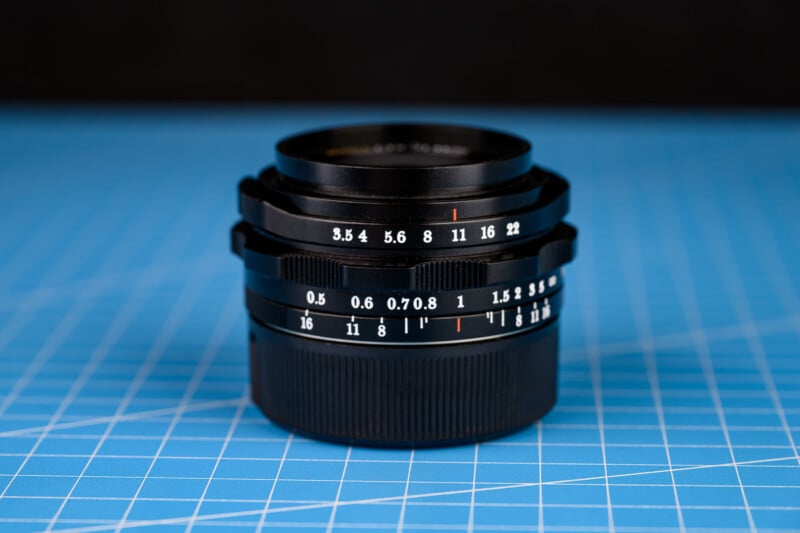
The machining on Thypoch lenses is always premium, with beautifully knurled and scalloped focusing rings, and a finger cutout designed into the Ksana 21mm. The aperture ring has a slightly wider diameter so as not to interfere with the focusing ring. The click-stops are solid, and the aperture is easy to find regardless of the tiny dimensions of the lens.
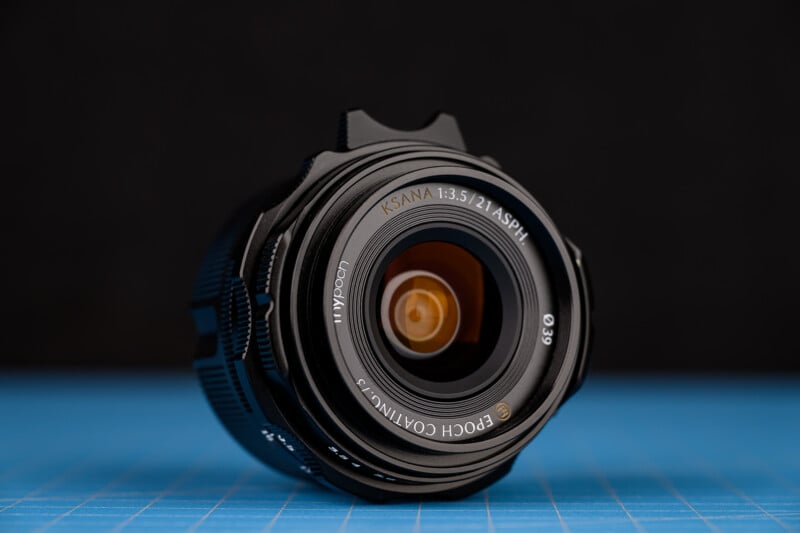
You can mount common (for Leica) 39mm filters to the front of the lens, and the Ksana couples perfectly with the rangefinder. However, there is no 6-bit coding on the lens mount, so don’t expect the EXIF data to know which focal length is being used. There isn’t much else to point out about the handling of this compact and simple little lens.
New Mexico gave me a great opportunity to shoot tight streets and panoramic landscapes all in one place. The framing of the 21mm lens does not have any matching frame lines within the Leica M11, but I found the extreme edges of the viewfinder to be a close approximation. You could use a separate optical viewfinder if desired. However, I found myself using the LCD panel most of the time for a reason which I’ll explain shortly.
Thypoch Ksana 21mm f/3.5: How It Shoots
Bokeh on this lens is smooth-looking, and any out-of-focus areas have a pleasant look free of distractions. That being said, a 21mm lens with an f/3.5 aperture is not often going to provide shallow depth of field. In most situations, the entire frame will be largely in focus, so the bokeh quality is not a big concern for me.
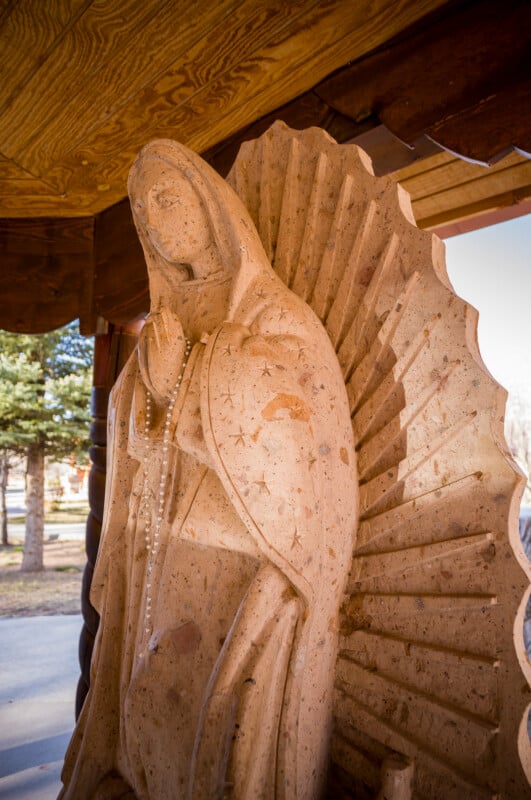
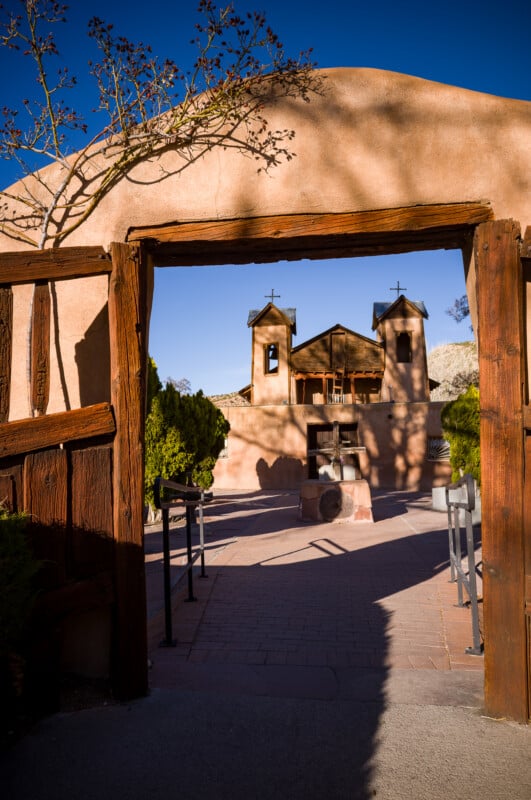
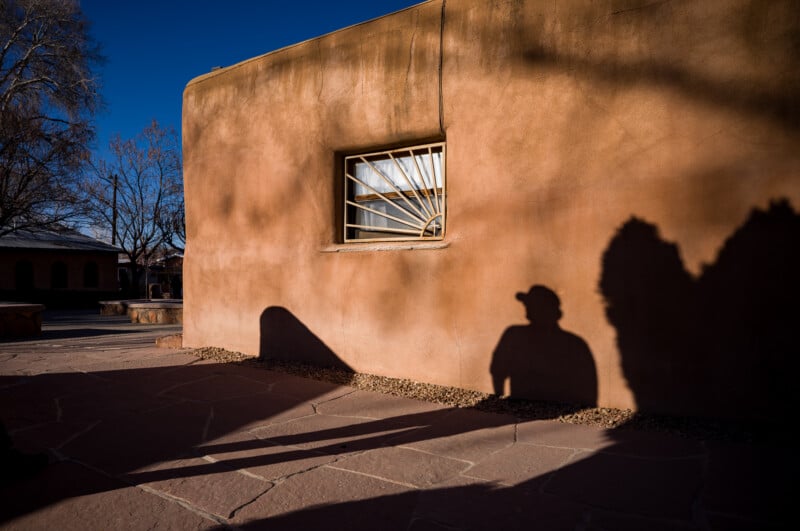
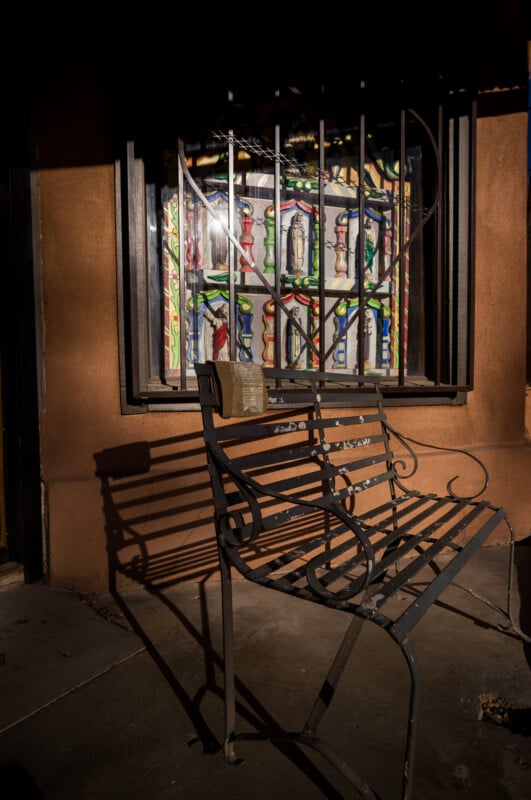
Likewise, LoCA, or longitudinal chromatic aberration, is not an issue on slower wide-angle lenses like the 21mm Ksana. The shots are free of any distracting color fringing, and the contrast of the lens is quite punchy overall. The color rendering of the lens does have some beautiful surprises, though, and this is why I was relying so heavily on the LCD panel to compose.
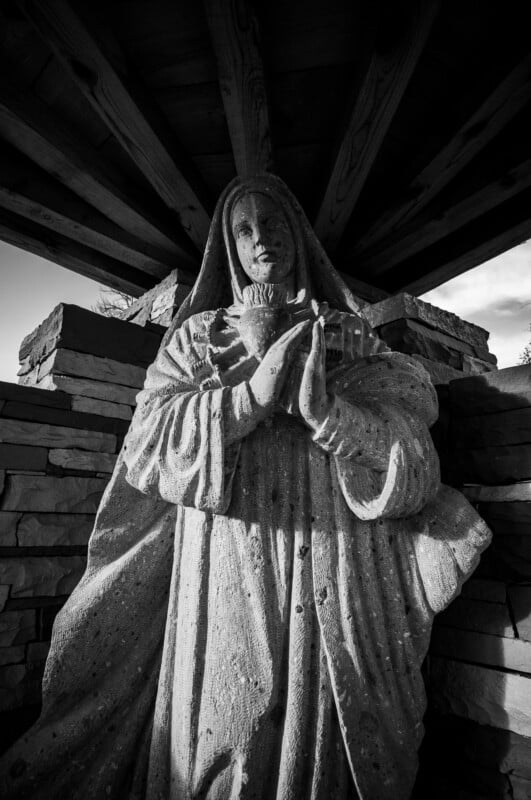
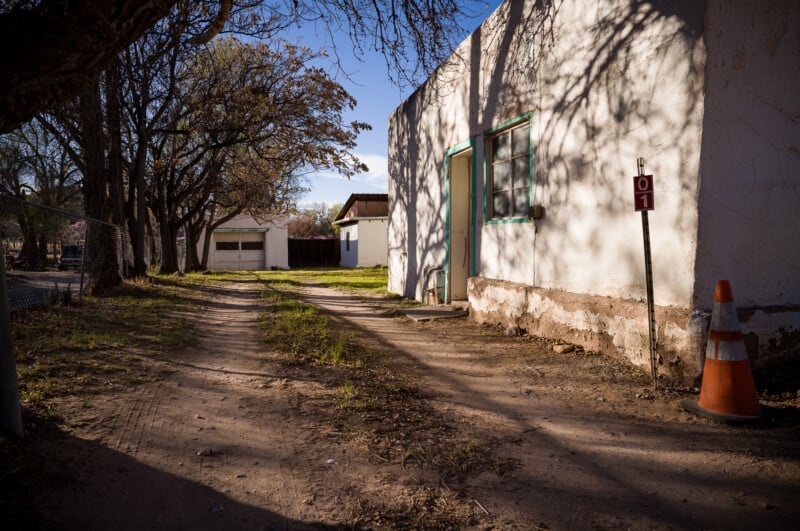
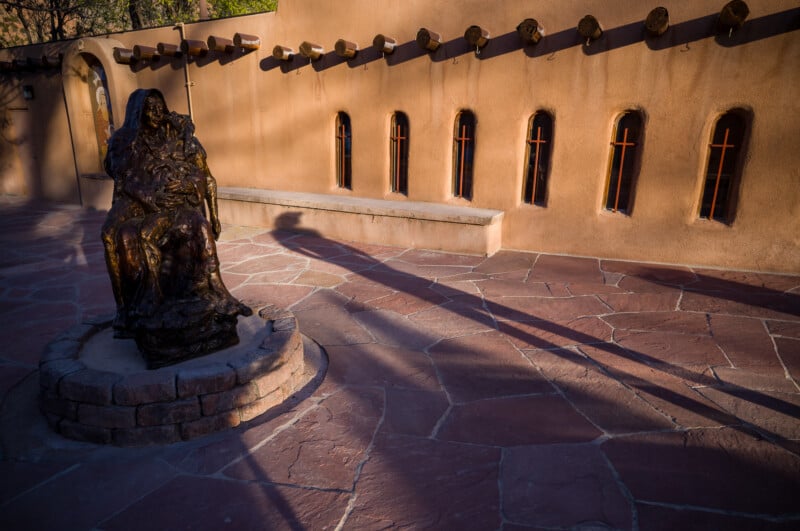
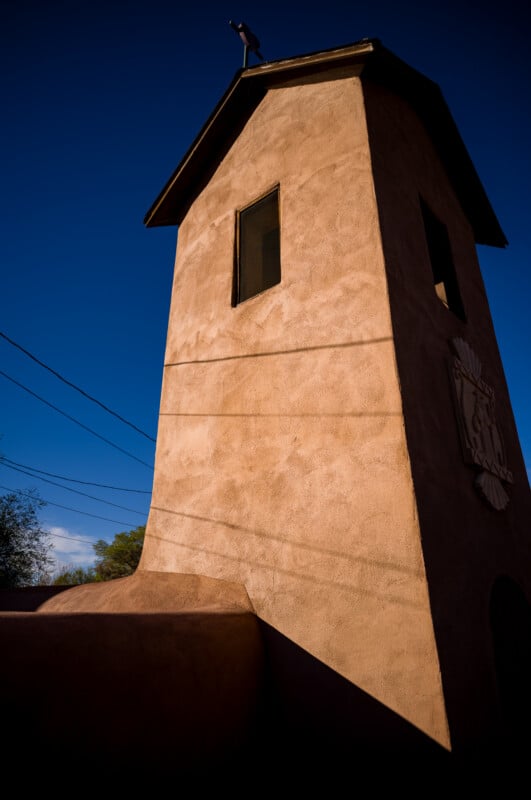
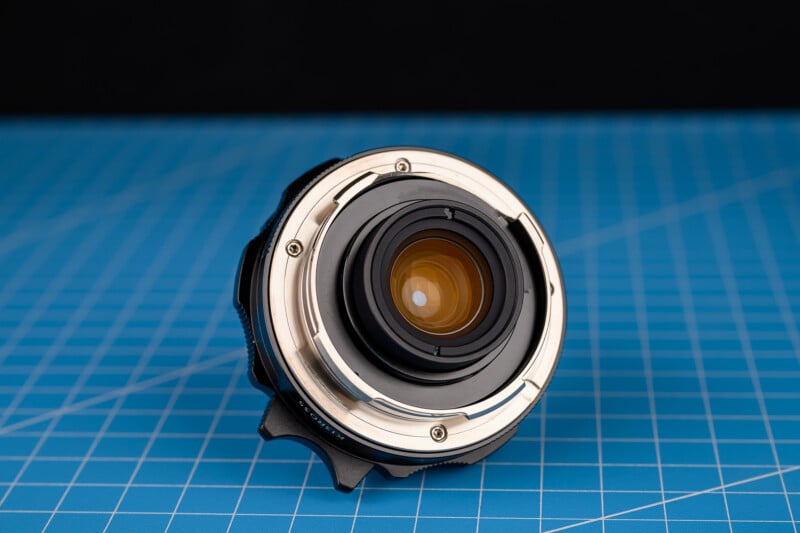
The Ksana 21mm has unique lens coatings that shine with a golden glow on the front element of the lens. When the lens is used on overcast days or pointed away from bright light sources, I would say that the color rendering is quite neutral with a slight lean towards the warmer side. However, when pointed towards sources of light, the lens shines, literally.
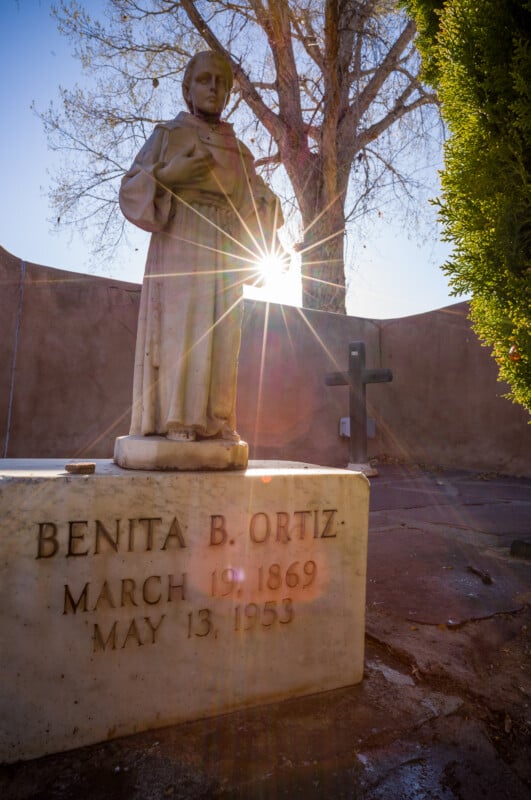
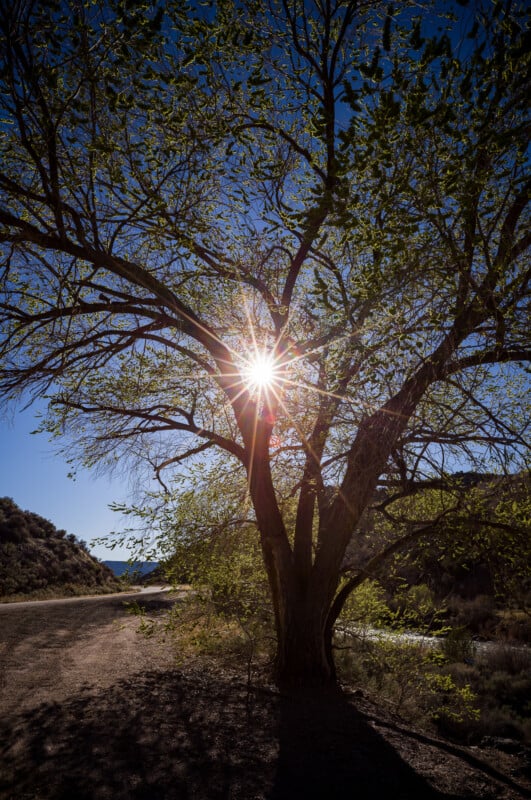
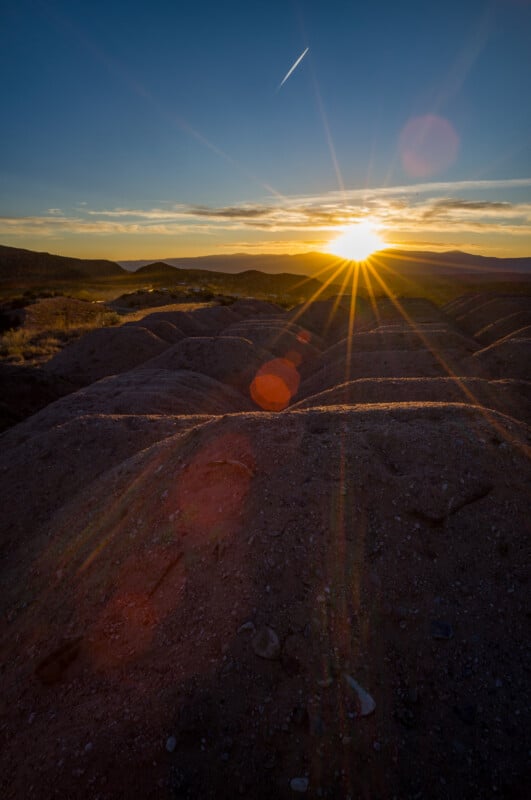
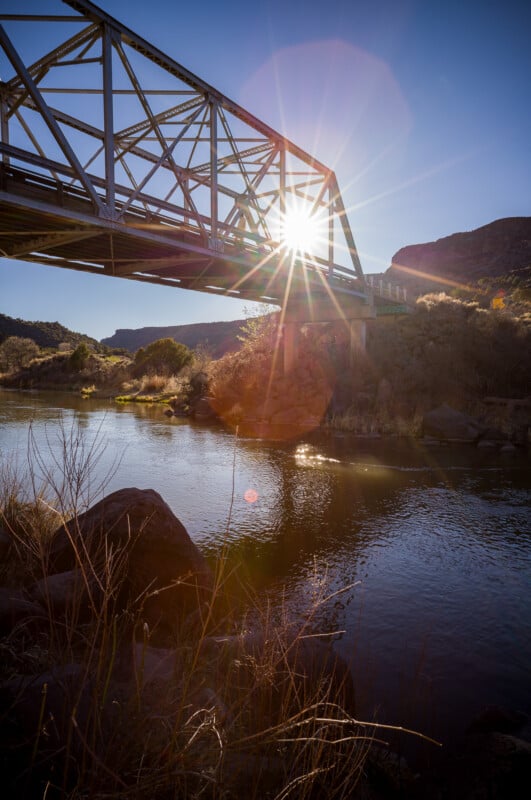
The golden coatings are designed to mimic the amber rendering of classic Canon FD lenses, and although the flare and washed-out areas are very well controlled, the prominent ghosting of the lens glows with a vivid amber tone. When I first read about this, I was quite skeptical, but the actual appearance of the ghosting is both dramatic and pleasant.
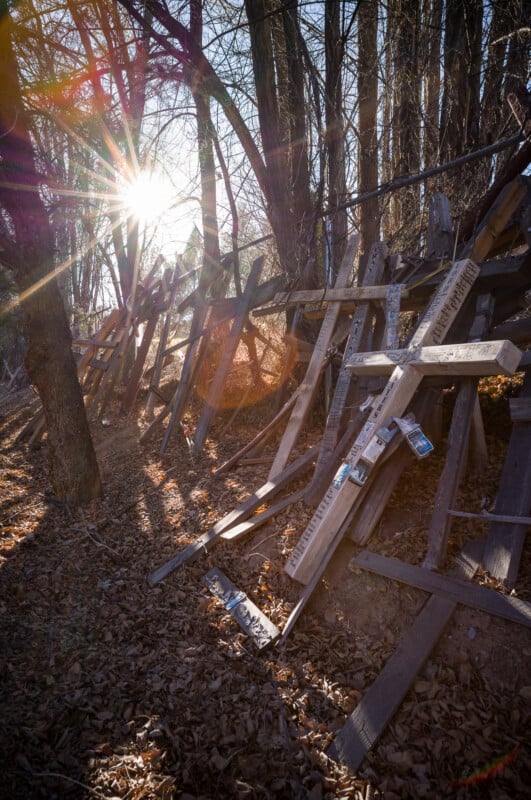
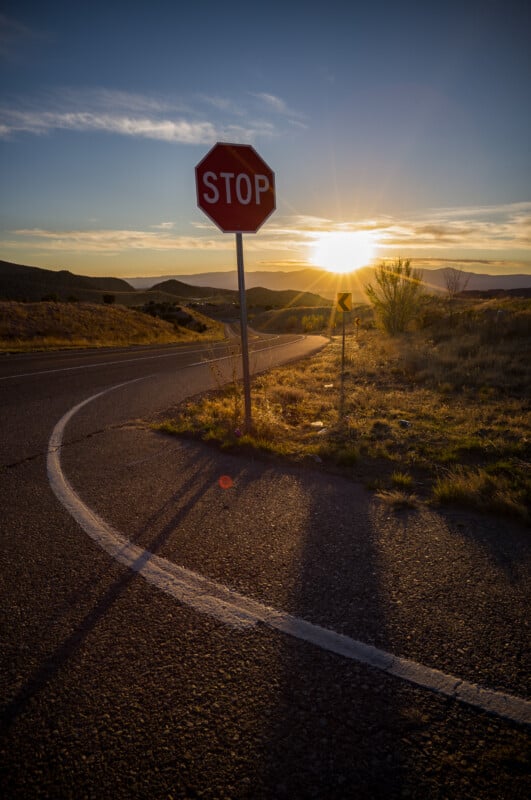
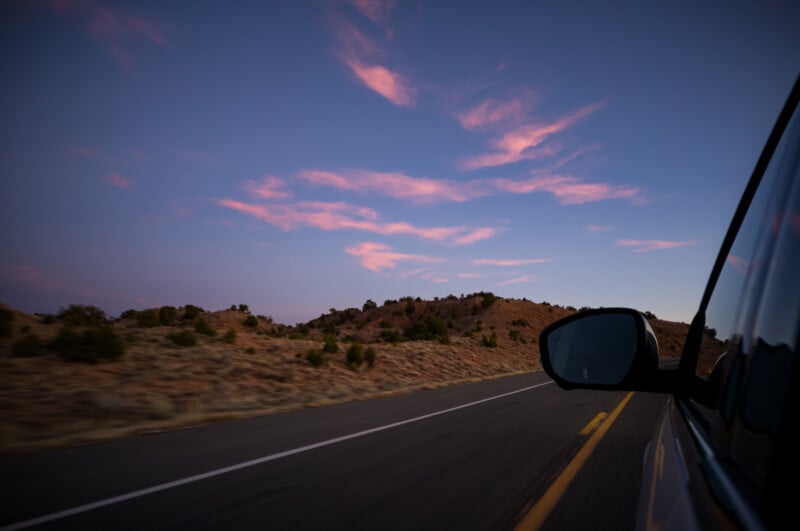
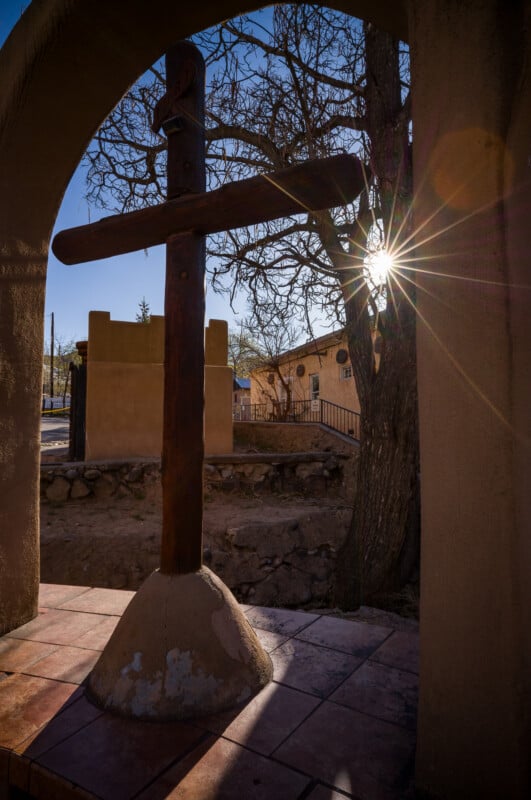
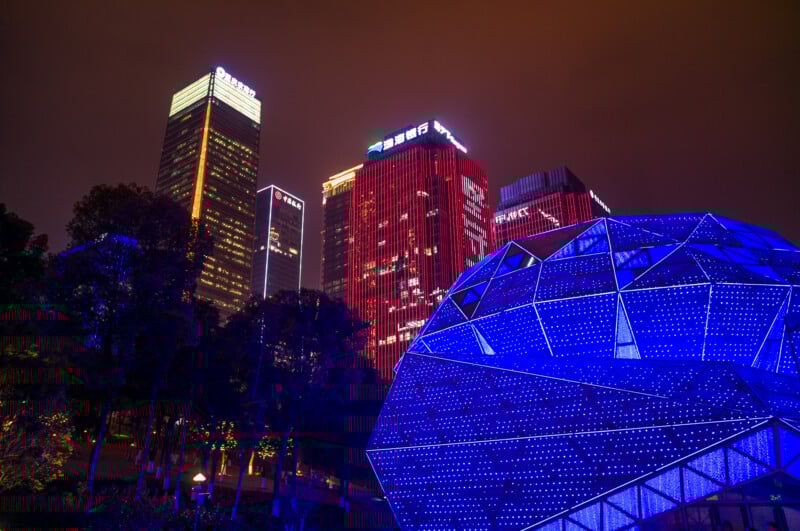
I found myself seeking out the sun to place it creatively within the frame and see where the ghosting would fall on the LCD screen. I could see this effect also being quite desirable in video applications. The sunstars are also gorgeous out of this lens when shot at tight apertures.
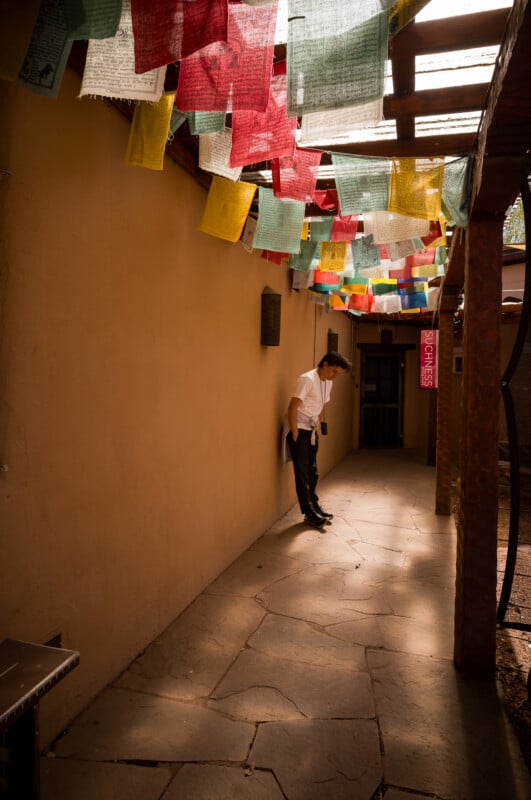
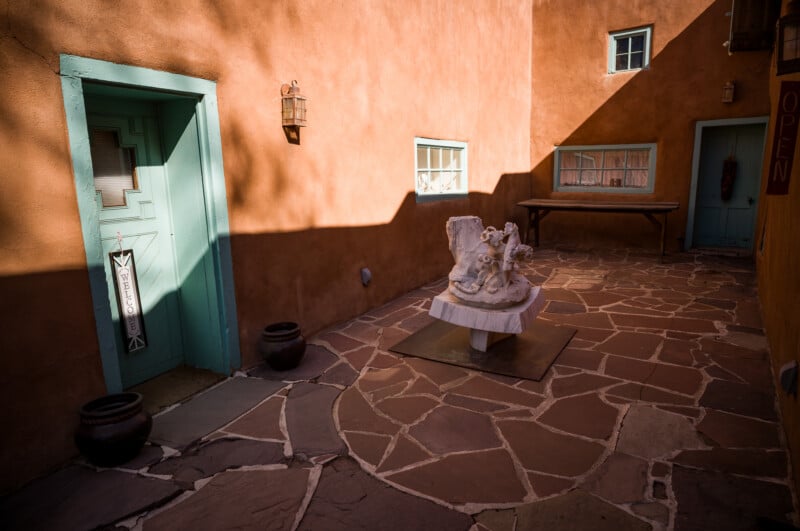
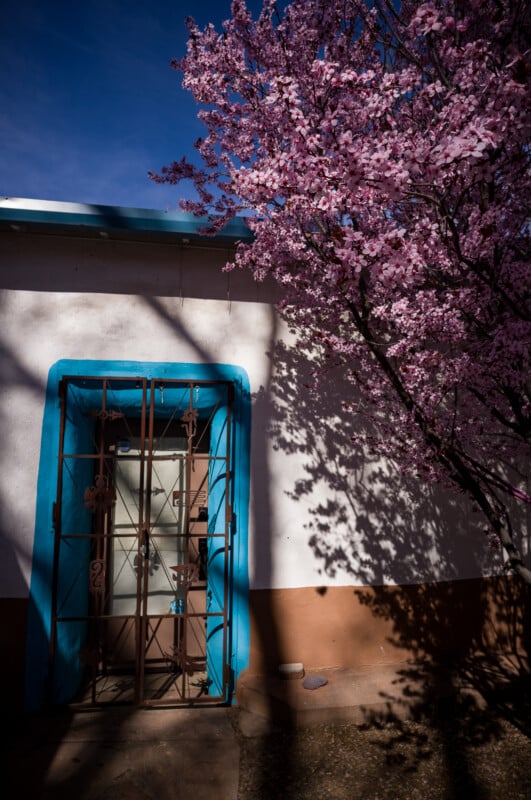
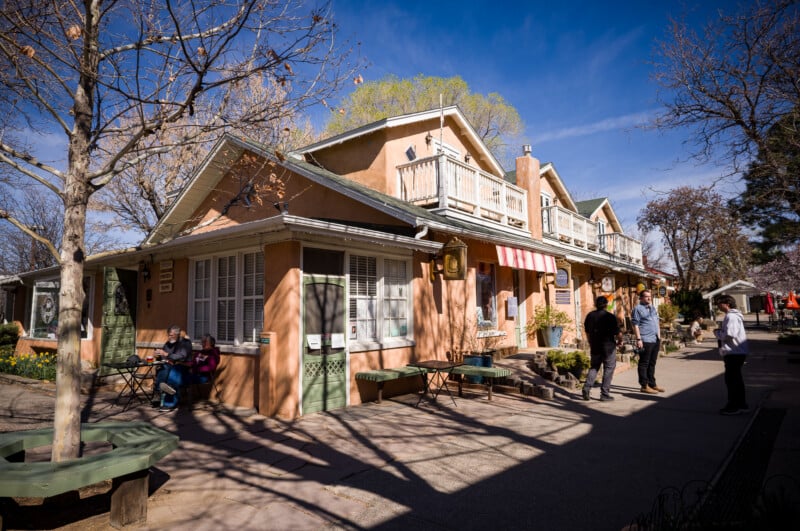
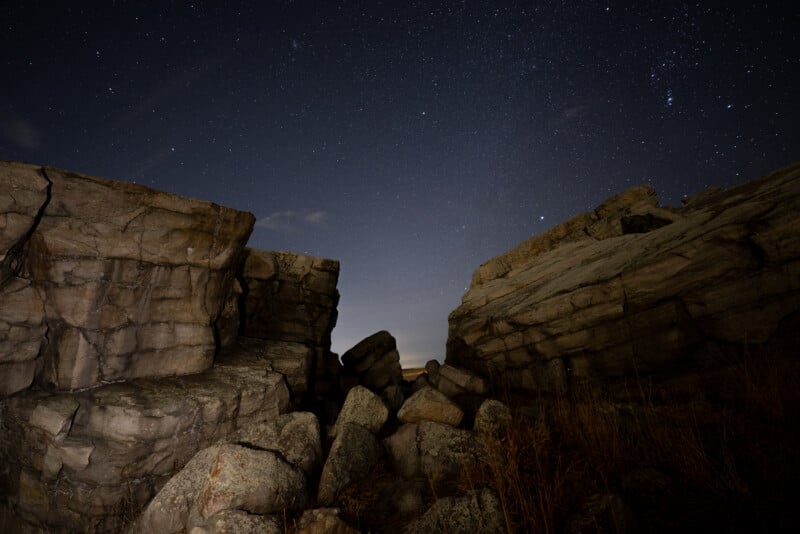
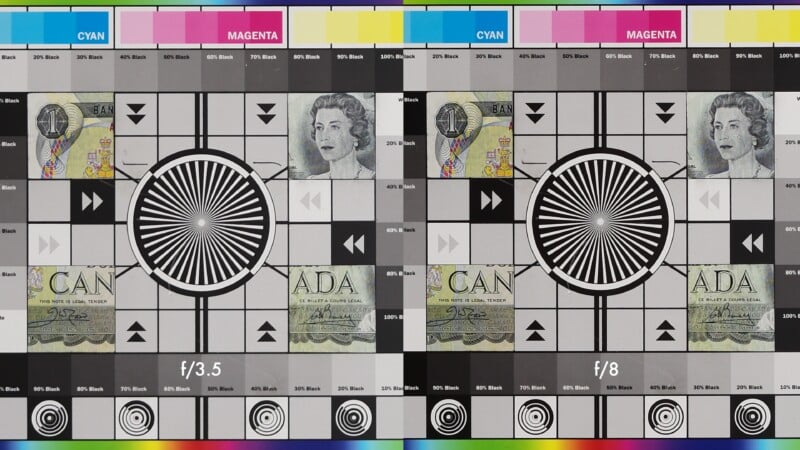
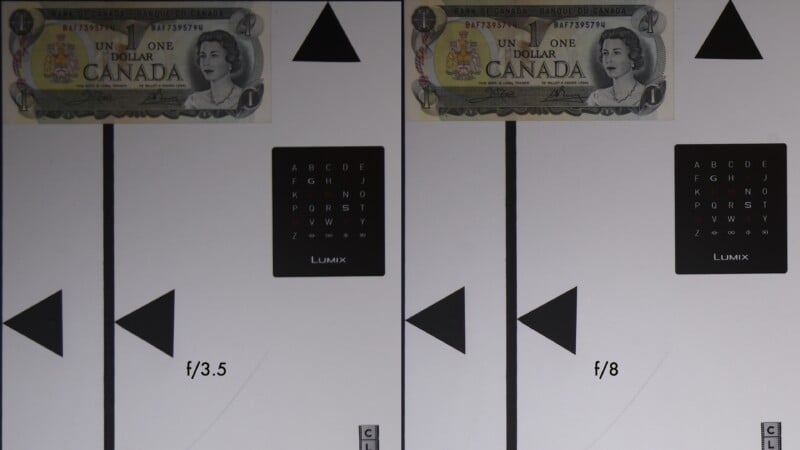
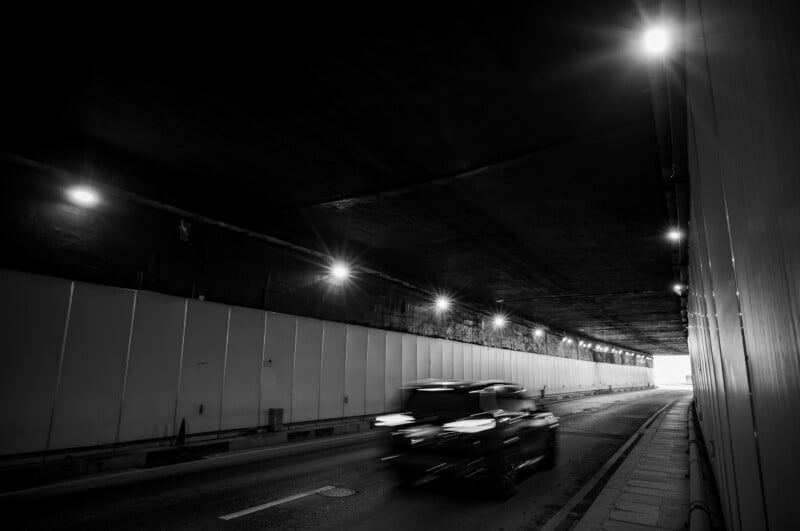
The lens may have a vintage-looking rendering of flare, but the contrast and sharpness are very modern. The lens is full of detail in the center of the image at f/3.5. Stopping the lens down provides a noticeable level of contrast and punch, but the sharpness was already present. Corners had some minor issues with vignetting and softness present at the widest aperture. Going to f/8 helped quite a bit to reduce these issues, but the extreme corners never quite get there. An Astro photography lens this is not, but it excels at most street and landscape situations.


Thypoch Ksana 21mm f/3.5: A Great Addition
This little Thypoch lens really surprised me. It has an obvious weakness with its relatively slow aperture, but the compact size and optical performance are really pleasing. This is also one of those rare lenses that just begs to be pointed at bright light sources. You’ll constantly be seeking to create flare and ghosting just to see what will happen. The Ksana 21mm turns out to be a perfect companion for shooting cityscapes and glowing sunsets. The $549 price is also very reasonable for such a fun little optic.
Are There Alternatives?
The Leica Super-Elmar-M 21mm f/3.4 lens is an ideally well-corrected lens, but the cost is exorbitant. Voigtlander makes an excellent 21mm VM f/3.5 Color-Skopar lens which is beautifully made, and only slightly more expensive. Neither of these alternatives will provide the warm-glow ghosting, however.
Should You Buy It?
Yes. The little Ksana 21mm is easy to travel with, and features a unique look to the images that goes well beyond being a gimmick.