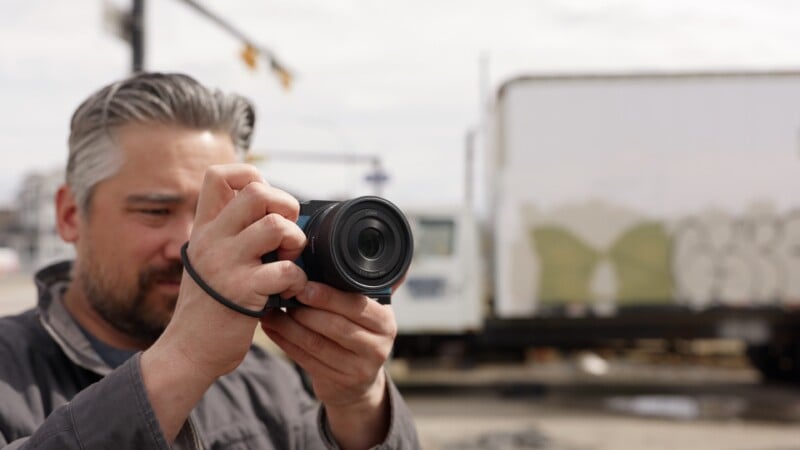

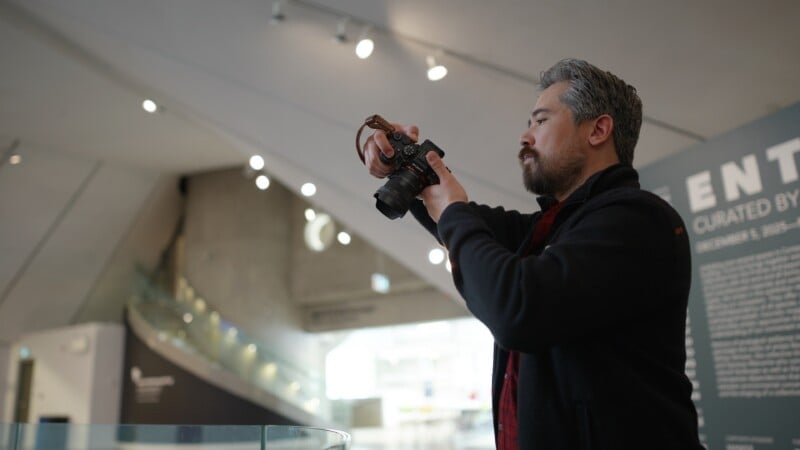
If you own an APS-C E-mount, RF-mount, or X-mount camera, Sigma has a brand new prime lens that provides wide-angle coverage and plenty of light. This new $579 Contemporary lens makes a lot of sense for darker interior shots, so I headed to the Contemporary Calgary art museum to see what I could find. You just have to shoot with a Contemporary lens at Contemporary Calgary.
Sigma 15mm f/1.4 Contemporary Review: How It Feels
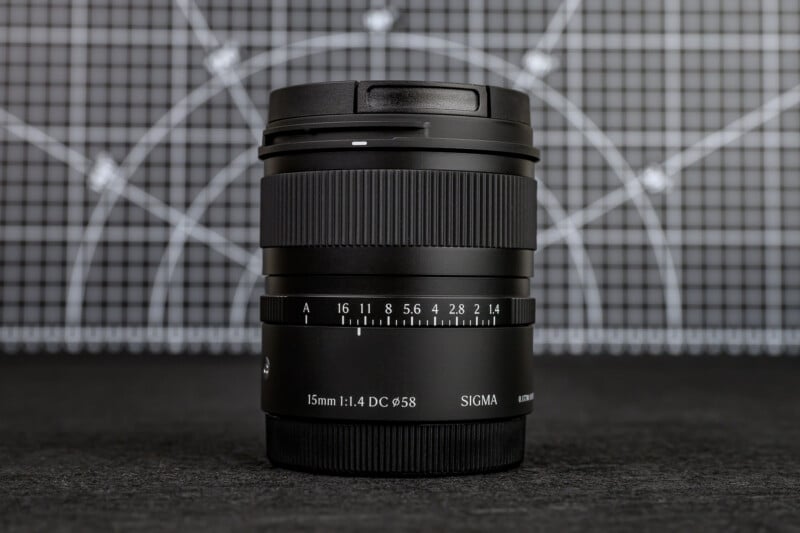
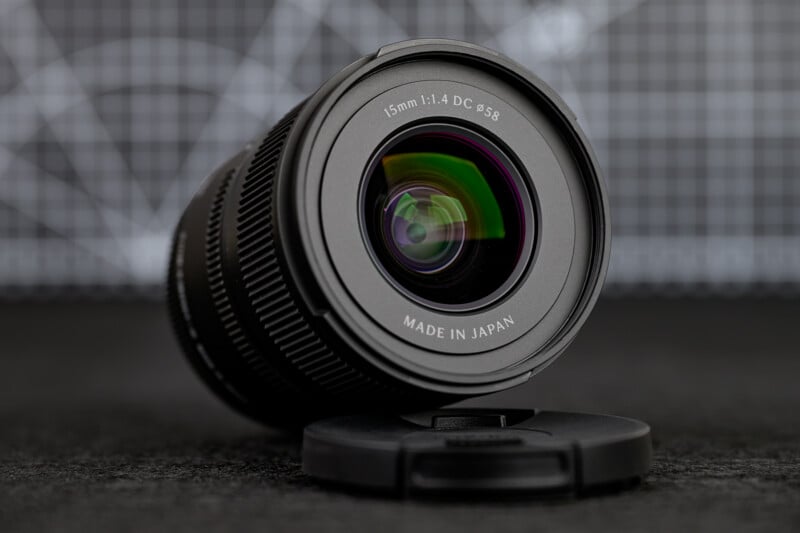
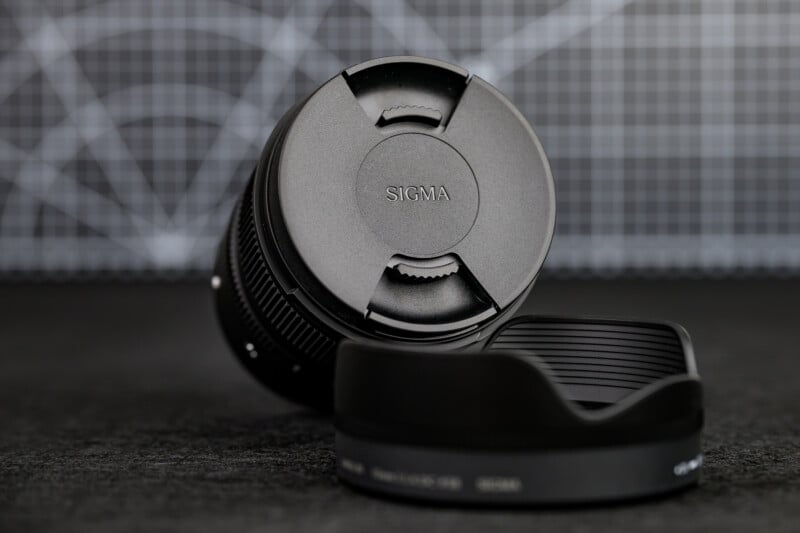
This tiny 15mm lens gives a full-frame field-of-view of around 22mm or so, depending on the camera used, and you get this wide-angle look in a chassis that only weighs 7.75 ounces (220 grams) on E-mount. The front of the lens features a 58mm filter diameter and comes with a basic shallow hood to protect against flare. The manual-focusing ring is surprisingly smooth-turning, but there isn’t much else in the way of controls. You do get an aperture ring, but there is no AF/MF switch, and you won’t find any customizable buttons.
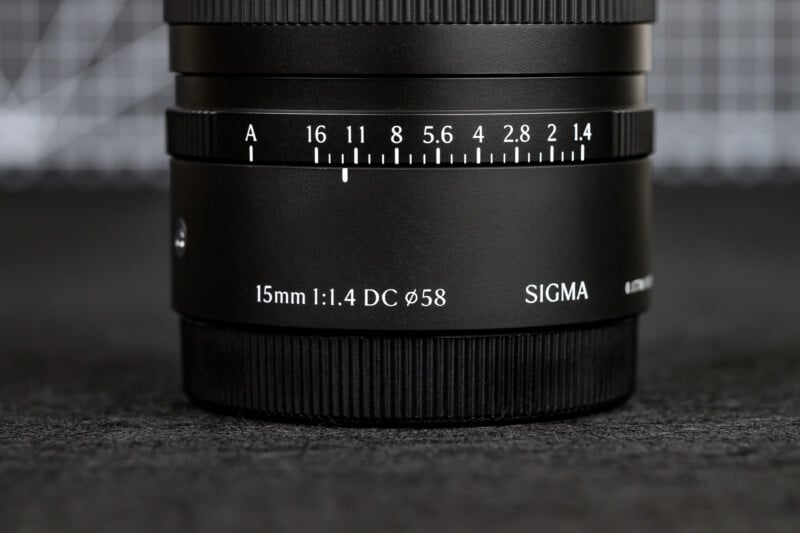
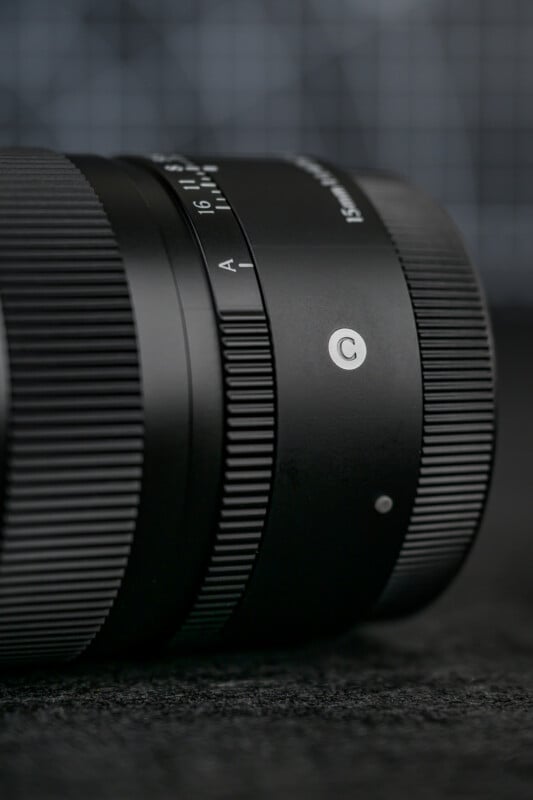
Being a part of the Contemporary series of lenses, the body of the lens is polycarbonate, and the amount of weather-sealing will be less than that of a more professional Art series lens. However, the little 15mm feels solid and well-built, and takes up very little space in the camera bag. It’s a simple piece of kit, but it’s also a small piece of kit.
Sigma 15mm f/1.4 Contemporary Review: How It Shoots
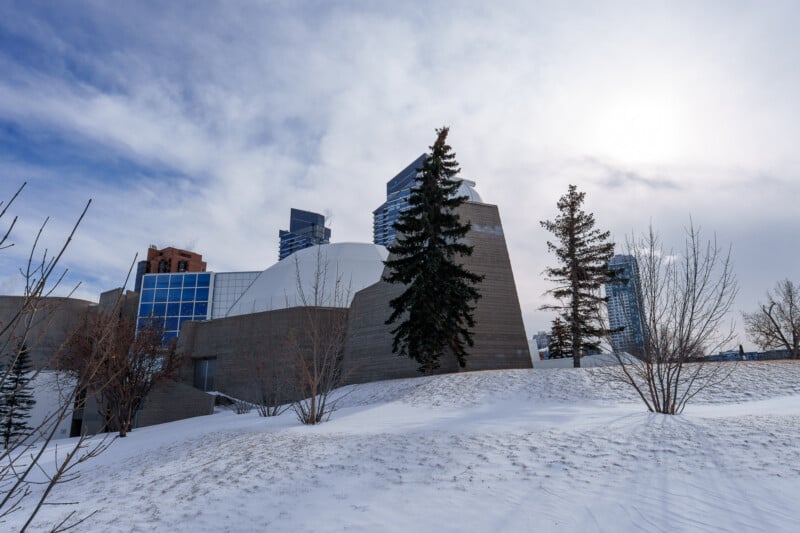
The day that we reviewed this lens was frigidly cold, but as is usual for Alberta, clear and sunny at the same time. I braved the hideous wind chill to get some flare shots outside of the gallery. Sigma always does a great job at controlling flare, even in the more affordable lenses, and I saw very few issues here. The contrast is strong, shooting towards the light, and ghosting was incredibly minimal at tighter apertures. I didn’t have any issues indoors when shooting towards the strong gallery lighting either.
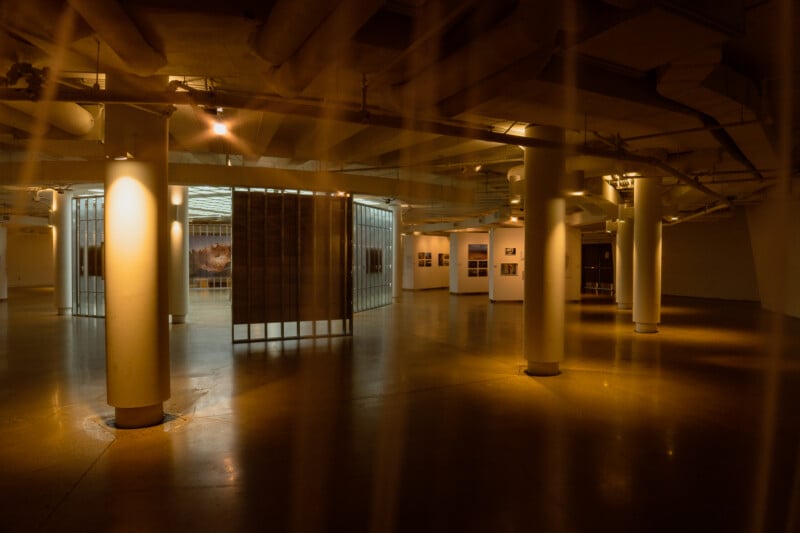
Focusing is accomplished with a more basic stepping motor, but this makes perfect sense for an affordable wide-angle lens. I didn’t have any problems getting focus to spring quickly to my subjects within the darker interiors, and everything was silent and accurate.
The lens does have a little bit of lens breathing, though, which is a term used to describe the field of view changes as you focus from one end to another. I could see many users wanting this optic for gimbal-based videography or handheld vlogging, and it will do fine there, but you will see the frame shift in a noticeable way if you pull focus during a clip.


This lens also exhibits a noticeable amount of LoCA, which is longitudinal chromatic aberration. You will certainly see a bit of color fringing in the out-of-focus areas, showing as a bit of a blue-teal shift, and the effect is annoying to get rid of in post. Stopping the lens down helps for sure, but be prepared to deal with some LoCA when shooting at wider apertures.
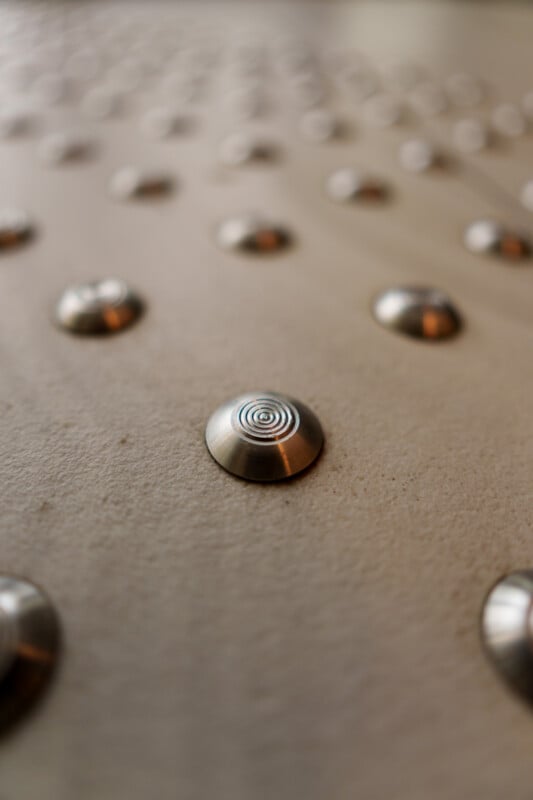

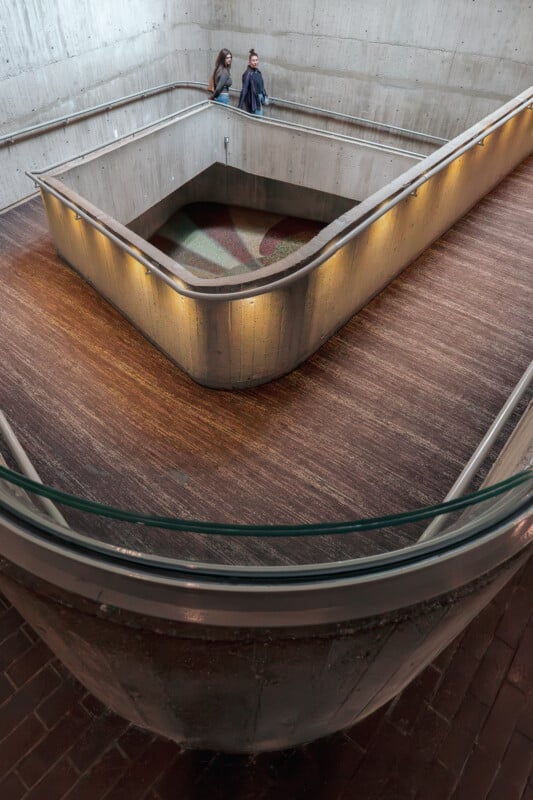
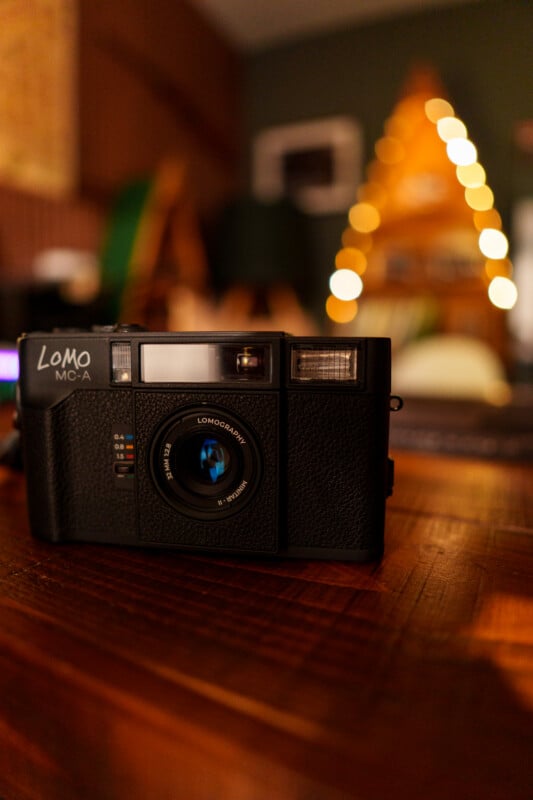
What is very impressive is the rendering of bokeh on this lens. Wide-angle lenses don’t tend to be thought of as shallow depth of field lenses, but the faster f/1.4 aperture does allow for soft backgrounds. The specular highlights are clean, with no visual issues present, and this gives a really smooth and discrete appearance to the backgrounds. I did plenty of up-close shots indoors, and the background just smoothly falls off into blur. I was surprised at how clean the bokeh looked.
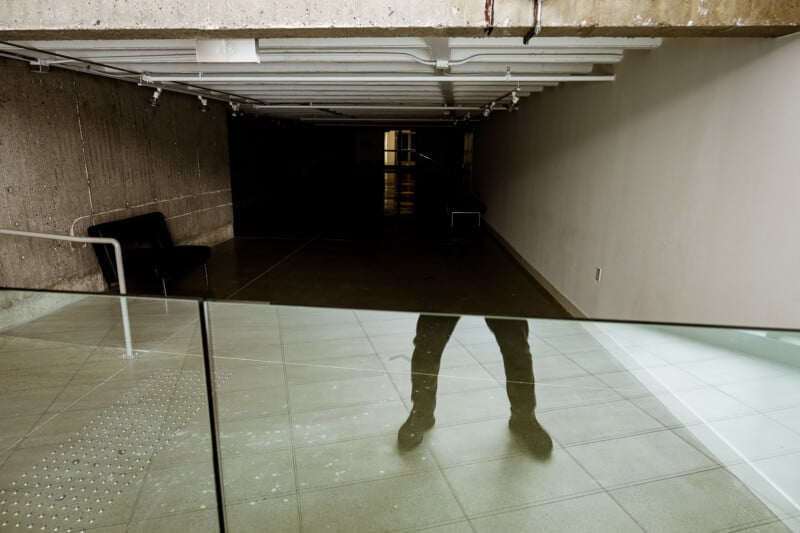
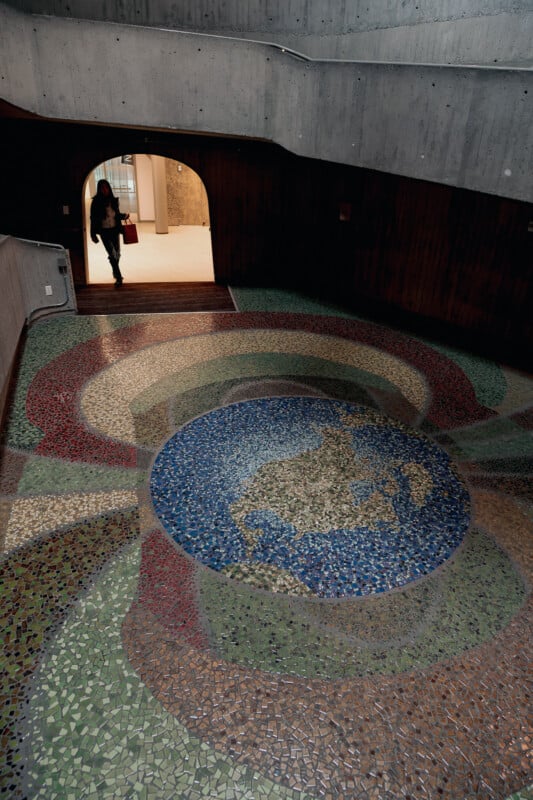
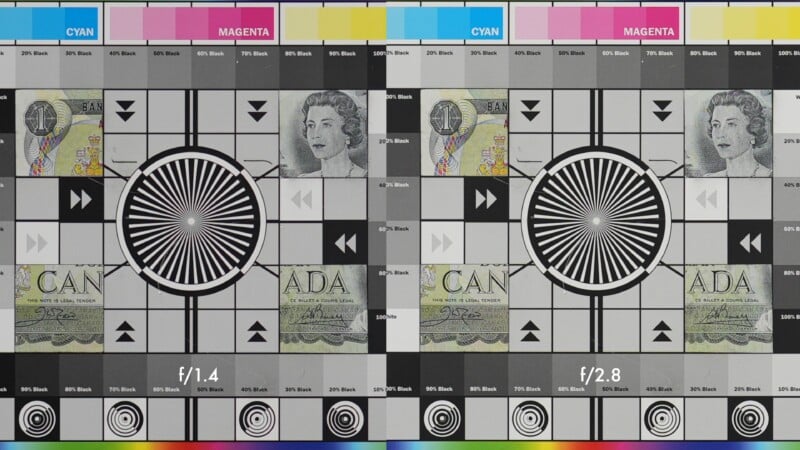
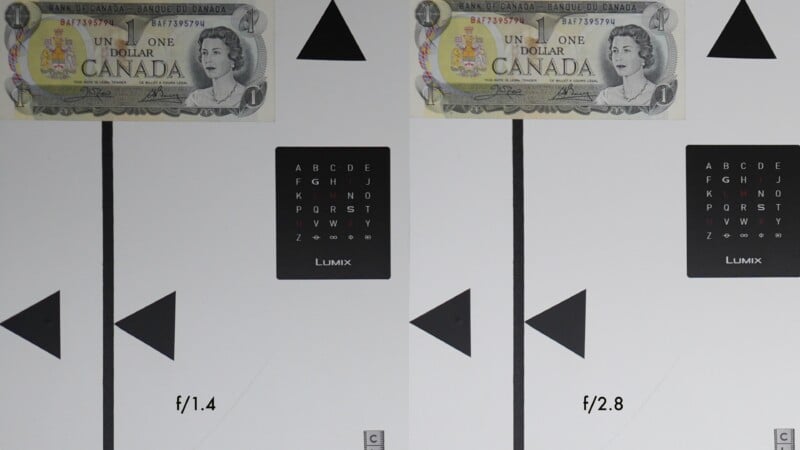
This is also a sharp lens with consistency across the frame. The center of the image looks excellent at f/1.4 and does not need a tighter aperture to deliver sharp results. Corners are also impressive with minimal vignetting and very good detail at the widest apertures. Stopping the lens down slightly will simply add more consistency across the frame for landscapes and architecture. This is also a lens that shoots a very flat field, which means that if the center is in focus, the corners will largely be as well.
Sigma 15mm f/1.4 Contemporary Review: A Useful Work of Art
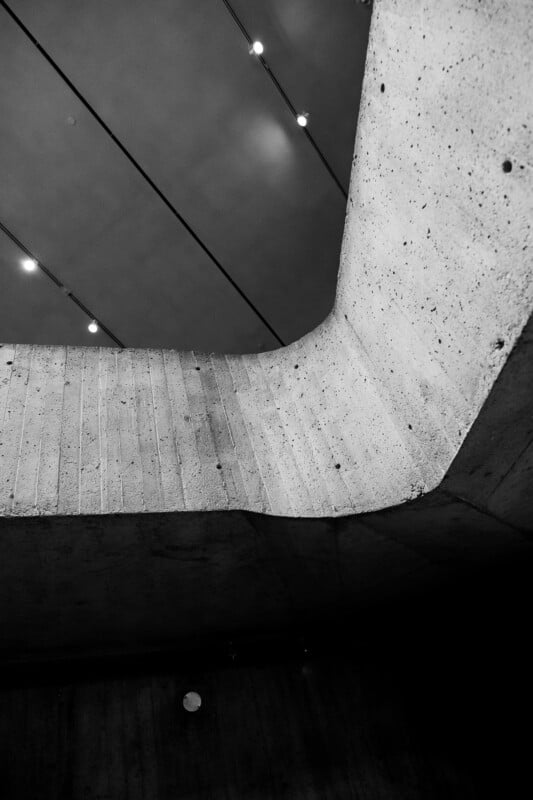
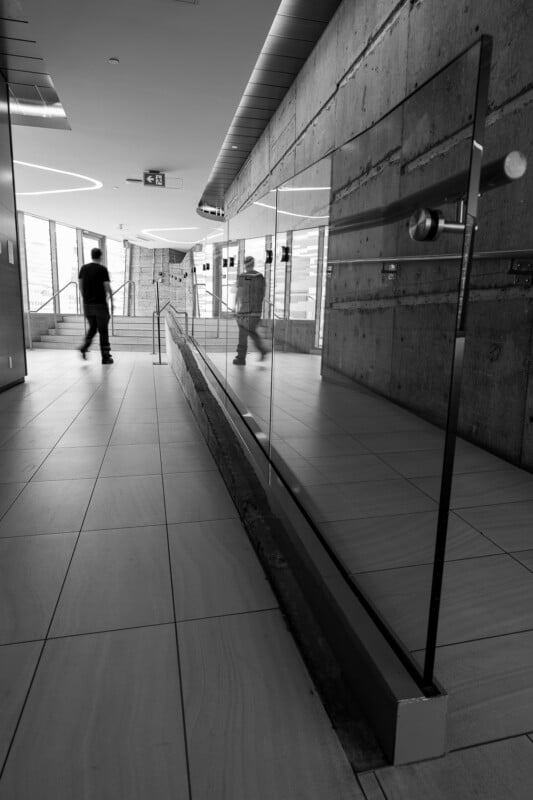
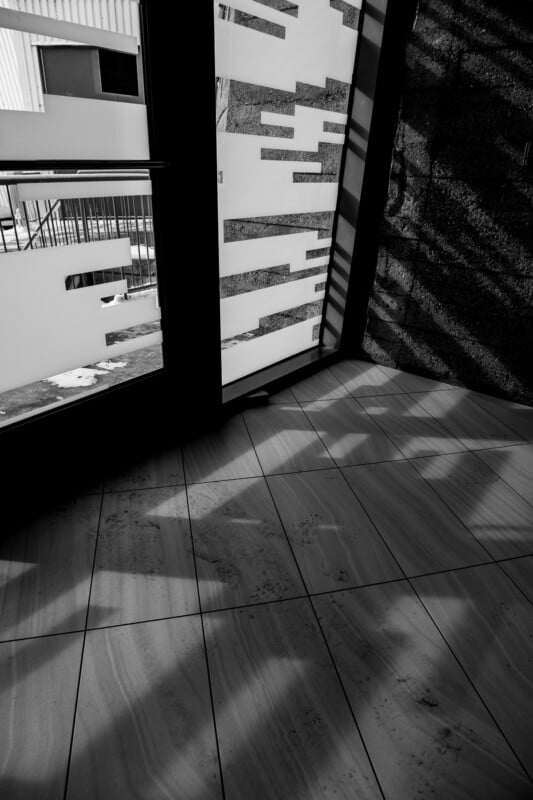
The art gallery provided plenty of interesting architecture to photograph, and also the occasion to capture environmental portraits and abstracts. I loved how discrete and compact this little lens was, and the 22mm field-of-view is great for street photography, landscapes, and interiors. Think concert photography, cityscapes, and concerts. This little lens can do it all quite well. If you need a fast and handy prime lens, this latest $579 offering from Sigma is worth a look.
Are There Alternatives?
Sony makes an awesome 15mm f/1.4, and it is well-appointed with an aperture ring, custom button, and focus switch, all for a similar price. This lens would make more sense for Fujifilm users who don’t want to pay for the more expensive 16mm f/1.4 WR.
It’s also a no-brainer for Canon users who don’t have any alternatives in this range, save for heavier and bulkier full-frame lens options.
Should You Buy It?
Yes. Sigma has added a sharp, affordable, and handy lens for anyone looking for a versatile prime wide-angle optic.